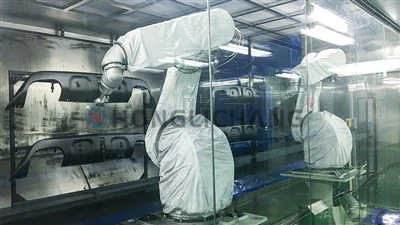
Hey there! As a supplier of UV Painting Machines, I've seen firsthand how crucial it is to optimize the performance of these machines. A well - optimized UV painting machine can not only improve the quality of the painted products but also increase production efficiency and reduce costs. In this blog, I'll share some tips on how to optimize the performance of a UV painting machine.
1. Regular Maintenance
One of the most important things you can do to keep your UV painting machine running smoothly is regular maintenance. Just like your car, if you don't take care of it, it's going to break down.
-
Cleaning: The first step in maintenance is cleaning. Over time, paint residue, dust, and other debris can build up on the machine's components. This can affect the machine's performance and even cause damage. Make sure to clean the nozzles, filters, and paint tanks regularly. You can use a mild cleaning solution and a soft brush to remove the dirt. For example, if the nozzles are clogged, the paint spray pattern will be uneven, which can result in a poor - quality finish.
-
Lubrication: Another key aspect of maintenance is lubrication. Moving parts in the machine, such as motors and belts, need to be lubricated to reduce friction and wear. Check the lubrication levels regularly and add lubricant as needed. This will help extend the lifespan of these parts and keep the machine running efficiently.
-
Component Inspection: Regularly inspect all the components of the UV painting machine. Look for signs of wear and tear, such as cracks, leaks, or loose connections. Replace any damaged components immediately. For instance, a worn - out belt can cause the machine to operate at an inconsistent speed, which can affect the painting quality.
2. Calibration
Proper calibration is essential for achieving high - quality results with a UV painting machine.
-
Spray Pattern Calibration: The spray pattern of the paint nozzles needs to be calibrated to ensure an even distribution of paint. This can be done using a test panel. Adjust the pressure, flow rate, and other settings until you get the desired spray pattern. If the spray pattern is too wide or too narrow, it can lead to uneven paint application.
-
UV Light Calibration: The UV lights in the machine are responsible for curing the paint. They need to be calibrated to ensure that the paint is cured properly. Check the intensity and wavelength of the UV lights regularly. Low - intensity UV lights may not cure the paint completely, while incorrect wavelengths can affect the chemical reaction of the paint curing process.
3. Paint Selection
The type of paint you use can have a significant impact on the performance of your UV painting machine.
-
Compatibility: Make sure the paint you choose is compatible with the UV painting machine. Different machines are designed to work with specific types of paints. Using an incompatible paint can cause clogging, poor adhesion, and other issues. For example, some paints may be too thick for a certain machine's nozzles, leading to blockages.
-
Quality: Invest in high - quality paint. High - quality paints are more likely to provide a smooth, durable finish. They also tend to have better UV resistance, which is important for the long - term performance of the painted products. Cheaper paints may contain impurities that can damage the machine or result in a sub - standard finish.

4. Operator Training
Well - trained operators are crucial for optimizing the performance of a UV painting machine.
-
Machine Operation: Operators should be trained on how to operate the machine correctly. This includes understanding the control panel, adjusting the settings, and troubleshooting common problems. For example, they should know how to adjust the paint flow rate based on the type of product being painted.
-
Safety Procedures: Safety is also a top priority. Operators need to be trained on the proper safety procedures when working with the UV painting machine. This includes wearing appropriate protective gear, such as goggles and gloves, and following the correct startup and shutdown procedures.
5. Environmental Factors
The environment in which the UV painting machine operates can also affect its performance.
-
Temperature and Humidity: The temperature and humidity of the painting area should be controlled. Extreme temperatures can affect the viscosity of the paint, making it too thick or too thin. High humidity can cause the paint to dry slowly or develop a cloudy appearance. Aim for a temperature range of 20 - 25°C and a humidity level of around 40 - 60%.
-
Ventilation: Proper ventilation is essential to remove fumes and prevent the buildup of paint mist in the air. Good ventilation can also help maintain a stable temperature and humidity in the painting area.

6. Upgrades and Improvements
As technology advances, consider upgrading your UV painting machine.
-
Software Updates: Many modern UV painting machines come with software that can be updated. These updates can improve the machine's performance, add new features, and fix bugs. Check with the manufacturer regularly for software updates.
-
Hardware Upgrades: You may also want to consider upgrading some of the hardware components of the machine. For example, upgrading to a more advanced nozzle system can improve the spray pattern and paint application efficiency.
By following these tips, you can optimize the performance of your UV painting machine and get the best results possible. Whether you're in a UV Paint Shop, using a Metalizing UV Coating Line, or just looking to improve the efficiency of your UV Painting Machine, these strategies can make a big difference.
If you're interested in learning more about UV painting machines or looking to purchase one, don't hesitate to reach out. We're here to help you find the best solution for your needs and ensure that your machine performs at its best.
References
- "Industrial Painting Equipment Handbook"
- "UV Curing Technology: Principles and Applications"
- Manufacturer's manuals for UV painting machines